How Much Is Stamp Duty in the UK?
Stamp duty is a tax you pay when buying property in the UK, with rates varying by price, buyer type and location.
In England and Northern Ireland, stamp duty (SDLT) starts at 0% on the first £125,000 for home movers, then rises in bands to 12% above £1.5 million. First-time buyers pay nothing on the first £300,000, and no relief at all applies once the price passes £500,000. Second home buyers pay an additional 5% surcharge on the full purchase price. For a £350,000 house, a standard buyer pays £7,500; a first-time buyer pays £2,500; a second home buyer pays £25,000.
Rates verified 3 July 2026. Thresholds changed on 1 April 2025 and the second home surcharge rose on 31 October 2024; see what changed.
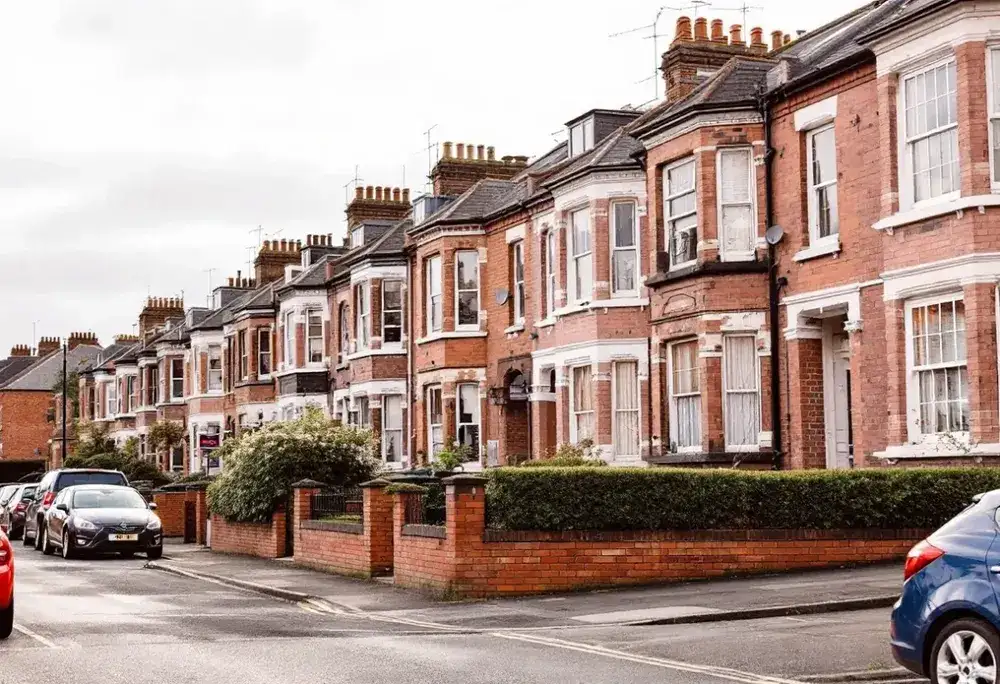
Current stamp duty rates in England and Northern Ireland
Stamp Duty Land Tax (SDLT) is charged in bands, similar to income tax. You only pay the stated rate on the portion of the purchase price that falls within each band1.
The standard SDLT rates for residential property in England and Northern Ireland, verified against gov.uk on 3 July 2026, are:
- £0 to £125,000
- 0% (no stamp duty payable)
- £125,001 to £250,000
- 2% on the portion in this band
- £250,001 to £925,000
- 5% on the portion in this band
- £925,001 to £1,500,000
- 10% on the portion in this band
- Above £1,500,000
- 12% on the portion above £1.5 million
These thresholds reverted to their pre-2022 levels on 1 April 2025, when a temporary higher nil-rate band introduced in September 2022 expired. Between September 2022 and March 2025, the nil-rate band was £250,000 with no 2% band. If you've seen older guides quoting £250,000 as the tax-free threshold, that figure is now out of date.
How the bands work
On a £400,000 house, you don't pay 5% on the full £400,000. Instead, you pay:
- 0% on the first £125,000 = £0
- 2% on the next £125,000 (£125,001 to £250,000) = £2,500
- 5% on the remaining £150,000 (£250,001 to £400,000) = £7,500
- Total stamp duty: £10,000
This means the effective stamp duty rate on a £400,000 house is 2.5% (£10,000 ÷ £400,000), not 5%. The marginal rate only applies to the slice of the price inside each band, so the effective rate is always lower than the top band you reach.
First-time buyer stamp duty relief
If you're buying your first home, you qualify for enhanced relief. First-time buyers pay 0% on the first £300,000, compared to £125,000 for standard buyers2.
First-time buyer relief applies in full up to £300,000, then 5% on the slice between £300,001 and £500,000. Above £500,000, the relief is withdrawn entirely and you pay the standard rates on the whole price, not just a partial reduction. This £500,000 cliff-edge is worth checking carefully if your budget is close to it, since going a few pounds over can cost thousands more in tax.
To qualify as a first-time buyer:
- You must never have owned property anywhere in the world
- The property must be residential (not buy-to-let or commercial)
- You must intend to live in the property as your main residence
- If buying jointly, all buyers must be first-time buyers
Example: on a £350,000 house, a first-time buyer pays £2,500 in stamp duty (5% on the £50,000 above the £300,000 relief threshold). A standard buyer on the same property pays £7,500 (see the worked comparison table below), so the relief saves £5,000.
How much is stamp duty on a £300,000 house?
For a £300,000 house in England or Northern Ireland:
- Moving home buyer (not first-time): £5,000
- £0 on first £125,000 + £2,500 (2% of £125,000) + £2,500 (5% of £50,000) = £5,000
- First-time buyer: £0
- The full £300,000 falls within the 0% relief band, which runs up to and including £300,000
- Second home buyer: £20,000
- £5,000 standard SDLT + £15,000 (5% surcharge on full £300,000) = £20,000
Stamp duty by price and buyer type
Rounded worked examples across common price points, calculated on the current bands above:
| Property price | Standard buyer | First-time buyer | Second home / BTL |
|---|---|---|---|
| £200,000 | £1,500 | £0 | £11,500 |
| £300,000 | £5,000 | £0 | £20,000 |
| £400,000 | £10,000 | £5,000 | £30,000 |
| £500,000 | £15,000 | £10,000 | £40,000 |
| £700,000 | £25,000 | £25,000* | £60,000 |
| £1,000,000 | £43,750 | £43,750* | £93,750 |
* Above £500,000, first-time buyer relief no longer applies, so the figure matches the standard rate.
Two things stand out. First, the £500,000 relief cliff-edge means a first-time buyer at £500,000 pays £10,000, but a first-time buyer at £500,001 pays the full standard-rate amount with no relief at all, a jump of several thousand pounds for one extra pound of price. Second, the second-home surcharge is flat on the full price, so it scales fast: at £1,000,000 it alone adds £50,000 on top of the standard £43,750.
Is there stamp duty on properties under £125,000?
Yes, but only up to a point. Properties priced at £125,000 or below attract 0% stamp duty for standard home buyers in England and Northern Ireland1. Between £125,001 and £250,000, you pay 2% on the amount above £125,000, so a £200,000 standard purchase still costs £1,500 in tax even though it's under the old £250,000 threshold you may remember from before April 2025.
First-time buyers have a more generous cut-off: nothing is payable up to £300,000. The 5% second home surcharge still applies in full if you already own another property, regardless of price. So a £120,000 second home, which would be tax-free for a standard buyer, still costs £6,000 in stamp duty (5% × £120,000).
Second home and buy-to-let surcharge
If you're buying an additional property (second home, buy-to-let, or holiday let), you pay an extra 5% on top of the standard rates3. The surcharge rose from 3% to 5% on 31 October 2024, so any guide still quoting 3% is describing the old rate.
The surcharge applies to the entire purchase price, not just the amount above £125,000.
On a £500,000 buy-to-let property:
- Standard SDLT: £15,000
- 0% on £125,000 = £0
- 2% on £125,000 = £2,500
- 5% on £250,000 = £12,500
- 5% surcharge: £25,000 (5% × £500,000)
- Total: £40,000
The surcharge applies even if you're replacing your main residence, unless you sell your old home within 3 years and claim a refund. See our stamp duty refund guide for how that works, and our second homes guide for the full rules on when the surcharge does and doesn't apply.
When do you pay stamp duty?
You must file your SDLT return and pay the tax within 14 days of completion4. See our full payment deadline guide for the penalty schedule if you miss it.
In practice, your solicitor or conveyancer handles this on your behalf. They calculate the SDLT due, deduct it from your deposit or mortgage advance, file the return with HMRC, and pay the tax. You receive an SDLT certificate (SDLT5) once the return is processed. Our guide to paying stamp duty covers what to do if you're filing yourself.
Stamp duty in Scotland and Wales
Scotland and Wales operate their own property transaction taxes, with different rates, thresholds and surcharges from England:
- Scotland: Land and Buildings Transaction Tax (LBTT). Different bands, an £175,000 first-time buyer threshold, and an 8% Additional Dwelling Supplement on second homes. See our Scotland stamp duty guide.
- Wales: Land Transaction Tax (LTT). No first-time buyer relief, and a separate set of higher rates (not a flat surcharge) for additional properties. See our Wales stamp duty guide.
Northern Ireland uses the same SDLT rates as England.
If you exchanged contracts before a rate change but haven't yet completed, transitional rules can sometimes let you use the rate in force at exchange rather than completion. This is fact-specific: check with your solicitor rather than assuming either rate applies.
Stamp duty calculator
Use our free stamp duty calculator to work out how much you'll pay based on your property price, buyer type and location. The calculator uses the rates verified above and is updated whenever HMRC, Revenue Scotland or the Welsh Revenue Authority change them.
A handful of situations sit outside the figures on this page. Non-UK residents pay an extra 2% surcharge on top of whatever standard or second-home rate already applies. Companies buying residential property above £500,000 can face a flat 17% rate instead of the banded rates. Mixed-use property (part residential, part commercial) is taxed under separate non-residential rates, and buying several dwellings in one transaction has its own rules (Multiple Dwellings Relief was abolished for completions on or after 1 June 2024). For any of these, use the official HMRC SDLT calculator5 rather than relying on the figures above.
Sources
- HM Revenue & Customs, Stamp Duty Land Tax: residential property rates, gov.uk/stamp-duty-land-tax/residential-property-rates, accessed 3 July 2026
- HM Revenue & Customs, Stamp Duty Land Tax relief for first time buyers, gov.uk/stamp-duty-land-tax/relief-for-first-time-buyers, accessed 3 July 2026
- HM Revenue & Customs, Stamp Duty Land Tax: higher rates for additional properties, gov.uk/guidance/stamp-duty-land-tax-higher-rates-for-additional-properties, accessed 3 July 2026
- HM Revenue & Customs, Pay Stamp Duty Land Tax, gov.uk/stamp-duty-land-tax/paying-the-tax, accessed 3 July 2026
- HM Revenue & Customs, official Stamp Duty Land Tax calculator, tax.service.gov.uk/calculate-stamp-duty-land-tax, accessed 3 July 2026
Last reviewed: 2026-09-25. Rates verified against gov.uk, Revenue Scotland and gov.wales.